


What are you planning to start?
Explain what you want to do, who will own the business and how you expect to earn income. A useful first conversation connects the commercial idea with the financial and practical responsibilities it creates.
Choosing a structure
Sole trader, partnership and company structures have different implications. The right discussion considers ownership, risk, tax and administration together. It should not begin with an assumption that the most familiar structure is automatically the best fit.
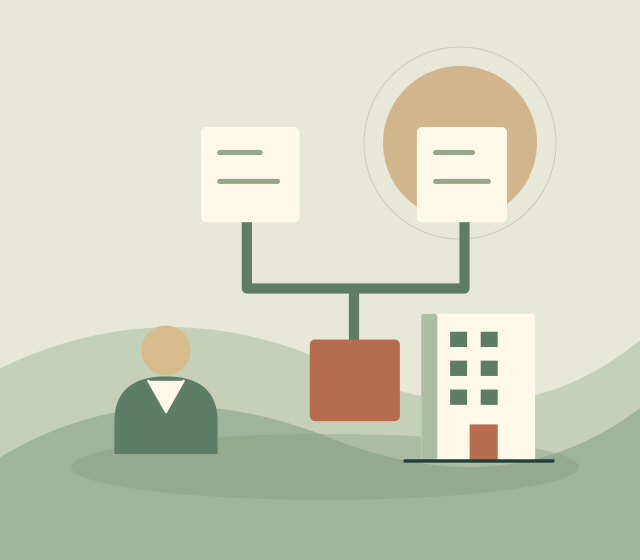 choosing a business structure
Completing the right setup
Once a route is chosen, the setup work becomes more specific. Sole trader setup focuses on the individual’s activity and records. Company formation creates a separate company with its own ongoing accounting responsibilities.
What happens after launch
Plan how invoices, expenses and bank activity will be recorded from the start. Decide who will maintain the books and how you will know whether the business is performing as expected. A simple routine is easier to establish before the first busy period.
 financial records
Your questions, answered.
Should I choose a structure before buying software?
It helps to understand the structure and reporting needs before committing to a system, though records should be kept from the outset.
Can I start alone and add owners later?
Ownership can change, but the implications should be considered before the change is made. Explain the longer-term intention early.
What ongoing work follows setup?
Ongoing records, accounts and relevant tax reporting follow. The exact tasks depend on the chosen structure and activity.